Why climate-smart greenhouses make sense for Philippine growers
Heat, humidity, typhoons, and rising input costs: here is where a controlled greenhouse pays back in the Philippines, and where it does not.
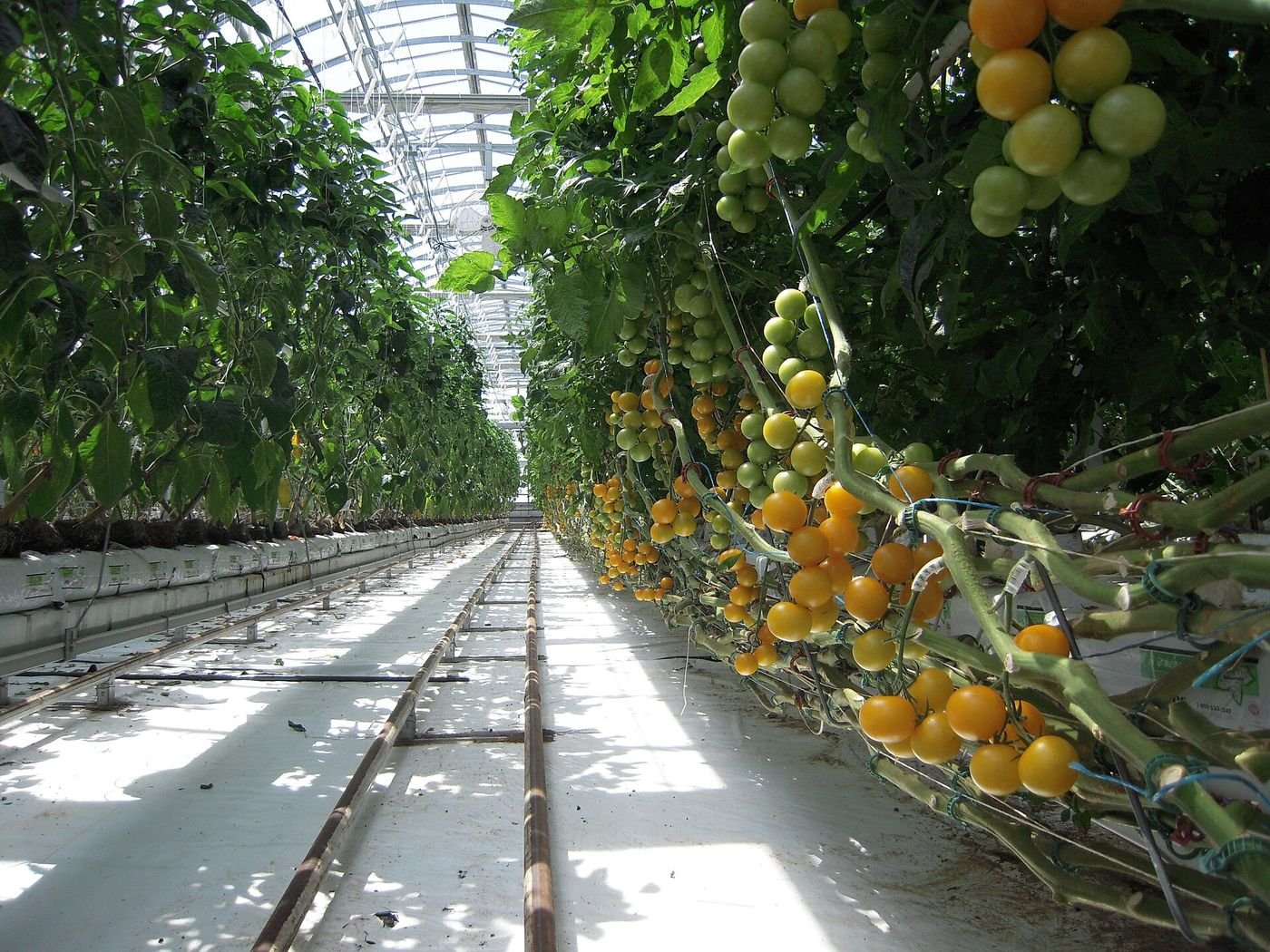
Greenhouses are often sold as a universal upgrade. In the Philippines they are a tool for specific problems: protecting high-value crops from heavy rain and pests, producing consistent quality for supermarkets and exporters, and growing closer to cities where land is scarce.
Where a greenhouse pays
- High-value crops such as lettuce, herbs, tomatoes, bell peppers, strawberries, and seedlings
- Buyers who pay for consistency: supermarkets, hotels, exporters
- Sites with water and power but limited or expensive land
- Regions with long rainy seasons where open-field losses are high
Where it does not
Low-value crops sold at wet-market prices rarely justify the structure and cooling cost. If the market is not there, no amount of technology creates it. That is why we start every project with a feasibility study and a buyer conversation, not a catalogue.
What “climate-smart” means in the tropics
In Europe the greenhouse keeps heat in. In the Philippines the challenge is the opposite: keeping heat and humidity out. Natural ventilation, shading screens, insect netting, and evaporative cooling matter more than heating. A controller that opens and closes vents and screens automatically keeps the crop in range without someone watching the thermometer all day.
If you are weighing a greenhouse for your farm, send us the crop, the location, and who you plan to sell to. We will tell you honestly whether it is worth a study.